
13:00


Agenda
Sulphur+Sulphuric Acid Party
Join us on Wednesday, 4 November, for an informal and fun evening with great food and drinks with live music from Nightshift.
The party is hosted by Smart SCOPE GmbH.

Monday 2
Set up day
Tuesday 3
Commercial and Markets
08:00
Registration and Exhibition open
Registration
Sponsored by:

09:00
Welcome Address

Lisa Connock
Managing Editor
CRU
Opening Plenary Session
09:10
Industry Keynote Address. Sulphur: The Fourth Element of Life — From Refinery to Resource in a Decarbonising World
The keynote address offers a C-level perspective on the strategic repositioning of sulphur in a decarbonising world. The session will explore the fundamental shift from refinery byproduct to critical resource, analysing the long-term implications for industrial value chains and the circular economy. It will provide a forward-looking outlook on the challenges and opportunities presented by the energy transition, equipping leaders with the necessary insights to navigate the evolving economic landscape and drive sustainable growth.
Andreas Krobjilowski
Technical Managing Director
MiRO Mineraloelraffinerie Oberrhein GmbH & Co. KG
Opening Plenary Session
09:30
Global Sulphur Markets Outlook
Supply has been cut by conflict in the Middle East which has also prompted a contraction in trade flows and demand. The recovery of availability in the market will require the reopening of shipping lanes and the return of delayed projects. Recent high prices and tight availability has highlighted the geographical concentration of supply and the risk that this poses to global supply chains. Many consumers will seek to diversify sulphur flows in the future to better manage supply chain risk.
Dr. Peter Harrisson
Sulphur, Sulphuric Acid & Fertilizer Market Analyst
CRU
Opening Plenary Session
10:00
Industry Keynote - Panel Discussion: Reshaping the Global Sulphur and Sulphuric Acid Industry.
Join our keynote panel for a deep dive into the widening supply-demand gap in the global sulphur and sulphuric acid market, a trend critically impacting fertilizer production. Our panel of leading experts will dissect the crucial issues reshaping the industry, from global sulphur strategy and smelter dependency to the effects of European regulations. Discover how new regional capacity and emerging demand for products like semiconductor-grade acid are redrawing the competitive maps for producers and consumers worldwide.
Craig W. Jorgenson
President and Chief Executive Officer
TSI
Marco Brunsendorf
Head of Sales Smelter Products
Aurubis AG
Maud Bergsjø
Sector Group Manager
CEFIC - ESA
Opening Plenary Session
10:45
Refreshment Break
Sponsored by:

11:15
Sulphuric acid market at unprecedented levels amid tight availability.
Bullish sentiment in the sulphuric acid market has strengthened following the announcement that China will suspend sulphuric acid exports from May through to the end of the year. China’s withdrawal from the export market has proven highly disruptive, as there are limited alternative exporters with sufficient capacity to increase supply. As a result, prices have surged to record highs, prompting major consumers to scale back their purchasing activity. The export restriction policy has significantly influenced pricing trends in the sulphuric acid market while also reconfiguring global trade flows.

Viviana Alvarado
Analyst, Sulphuric Acid
CRU
Commercial and Markets
11:45
The Role of Specialised Sulphur Hubs: A Necessity for the Market and an ‘Insurance’ for its User at the Same Time.
Michael Schöber
Managing Director
Duval NV
Commercial and Markets
12:15
From Reagent to Active Material: The Role of Sulphur and Acid in Battery Materials
Sulphur and sulphuric acid are important industrial inputs, strategic enablers across battery materials processing, and in some battery chemistries sulphur is also part of the electrochemical system itself. Use in batteries will not eclipse the processing of battery chemicals in total sulphur usage anytime soon, but even so developing technologies in the battery space along with the sheer volume of new sulphur demand resulting from batteries will impact the demand side of sulphur for decades to come.
Willis Thomas
Head of Fertilizers Analysis
CRU
Commercial and Markets
12:45
Networking Lunch
14:00
Talking Sulphur and Sulphuric Acid: A Conversation with CRU on Markets and Trade
An informal, open-floor session — meet the CRU team and get your questions answered.
Willis Thomas
Head of Fertilizers Analysis
CRU
Dr. Peter Harrisson
Sulphur, Sulphuric Acid & Fertilizer Market Analyst
CRU
Viviana Alvarado
Analyst, Sulphuric Acid
CRU

Maria Gamboa Delgado
Analyst, Phosphate Raw Materials Services
CRU

Ilona Khachirova
Analyst
CRU

Carrie Whymark
Sulphur and Sulphuric Acid Analyst
CRU

Anuradha Ramanathan
Head of Fertilizers Value Chain
CRU
Sunny Ubale
New Business Director
CRU
15:30
Refreshment Break
Sponsored by:
18:00
Welcome Reception
Sponsored by:

Sulphur
08:00
Registration and Exhibition open
Registration
Sponsored by:
09:00
For morning programme see Commercial and Markets Track
12:45
Networking Lunch
13:45
Sulphur Troubleshooting Clinic
SRU/TGTU TROUBLESHOOTING MYSTERIES
An investigative workshop for sulphur plant operators, engineers and designers
Something has gone wrong in the sulphur unit. The symptoms are obvious, the suspects are many, and the first fix everyone reaches for doesn't hold. Who or what is really to blame?
In this interactive 120-minute workshop, five industry experts present real world troubleshooting mysteries from across the sulphur recovery unit (SRU), tail gas treating unit (TGTU), and sulphur forming unit. You are the detective. Examine the evidence, size up the suspects, and use Slido to cast your vote on the culprit. Then watch as each "obvious" fix is put to the test. Some fail at once, and others seem to work until the problem comes back.
Finally, the true culprit is unmasked.

Angela Slavens
Managing Director
UniverSUL Consulting LLC

Elmo Nasato
President
Nasato Consulting Ltd
Sulphur Troubleshooting Clinic
15:45
Refreshment Break
16:15
From Acid Gas to Stack: Simulating the Full Sulphur Recovery Train
The presentation focuses on operational problems and their solutions by presenting how simulation can be used to identify operational issues and optimize performance from the front end ARU to the Incinerator/Stack (ARU/SWS/SRU/TGTU/Incin./Stack) under a number of different scenarios from startup/shutdown, turndown, cofiring, upset conditions, capacity changes, O2 enrichment, and catalyst performance under various stages in the catalyst lifecycle.
Justin Boudreaux
Development Engineer
OPTIMIZED GAS TREATING, INC.
Technical Showcase
16:30
Sulphur Run-Down War Stories.
The presentation delves into the real-world challenges of sulphur run-down lines. Learn from a spectrum of failures, from the easily avoided to the completely unexpected. Discover how careful observation and critical thinking can help you diagnose and prevent costly issues stemming from contaminants, poor design, and hidden problems. This is a must-see for anyone involved in the design, operation, or maintenance of sulphur run-down equipment.

Stefaan Gouhie
Sales Director Europe
AMETEK CSI
Technical Showcase
16:45
Protecting your investment by detecting refractory problems before they cause real problems.
Safeguard your plant against unexpected shutdowns and catastrophic failures with a proven and cost-effective refractory monitoring system. This presentation introduces a unique technology that detects refractory problems in high-failure areas before they escalate. With 16 years of proven service, this system is the cheapest insurance your plant can invest in. Learn how to protect your investment and ensure the long-term reliability of your refractory-lined units.
Bob Poteet
Chief Executive Officer
WIKA Instrument LP
Technical Showcase
17:00
Sulphur Valorisation via the Development and Commercialisation of Artificial Soil.
Unlock the agricultural potential of arid lands with our revolutionary artificial soils. We transform industrial byproducts like sulphur and bauxite residue into a high-performance growth medium engineered for desert environments. This scalable solution enhances the UAE's food security, supports sustainable agribusiness, and helps meet Net Zero targets by reducing food import dependency. Our patented formulation turns low-value waste into a vital resource, paving the way for a greener, more self-sufficient future.

Awais Zaka
Khalifa University of Science and Technology
Technical Showcase
17:15
Worley Comprimo's Latest Developments around Pretreatment and Reclaiming within Solvent Based Carbon Capture technology.
Frank Scheel
Senior Vice President
Worley Comprimo
Technical Showcase
17:30
Industrial Solutions of JECO Intelligent Energy-saving System.

Ruozhou Wang
Regional Manager
JH Pumps (Kunming JiaheScience&Technology Co.,Ltd)
Technical Showcase
17:45
AI Process Solutions: Turning Plant Data into Process Intelligence

Kenny Erdoes
President
Recalibrate
18:00
Welcome Reception
Sponsored by:
Sulphuric Acid
08:00
Registration and Exhibition open
Registration
Sponsored by:
09:00
For morning programme see Commercial and Markets Track
12:45
Networking Lunch
14:00
Sulphuric Acid Troubleshooting Clinic

Dr Hanno Hintze
Director Engineering Technology
Aurubis AG

Steven Puricelli
VP of Process and Technology
EXP

Rick Davis
President
Davis & Associates Consulting, Inc.
Casper Frandsen
Account Manager
Topsoe A/S

Christian Roempler
Operations Director
NorAcid
Sulphuric Acid Troubleshooting Clinic
15:30
Refreshment Break
16:00
Acid Purification and Concentration with Ultrastable Graphene Oxide Membranes via Separations
Explore a groundbreaking solution for acid purification and concentration. This presentation introduces Via Separations' ultra stable graphene oxide membranes, a first-of-its-kind technology for chemical separation. Learn how these membranes are enabling cost-effective recycling of alkylation catalysts and other acidic streams, offering significant savings and environmental benefits. Discover the potential of this technology in refining, mining, and acid production.

Christopher Thompson
Principal Scientist
Via Separations
Technical Showcases
16:15
Optimising Wear Life and Performance in Sulphuric Acid Production.
Unlock the potential for significant cost savings and improved performance in your sulphuric acid plant. This presentation showcases innovative solutions for optimising the wear life of your equipment. Discover how high-efficiency products, refurbishments, and specially developed materials for corrosive-abrasive services can extend the lifetime of your components, reduce capital costs, and provide a competitive edge. Learn how to enhance your plant's reliability without modifying your existing equipment.
Carsten Düchting
Chief Executive Officer
Düchting Pumpen Maschinenfabrik GmbH & Co. KG
Technical Showcases
16:30
Beyond Acid: Exploring the range of applications that Chemetics CORE-SO2 can drive, including SO3 for high purity acid production and gaseous or liquid SO2, while minimising forced byproduct production.
Worley Chemetics
Bryce Difley
Senior Process Engineer
Worley Chemetics
Technical Showcases
16:45
Transforming Sulfuric Acid Plants into Renewable Energy Assets for Large-Scale Hydrogen Production and Low-Carbon Manufacturing
Sulfuric acid plants are among the largest energy-producing assets within the industry. While significant attention has been given to improving plant efficiency and heat recovery, their potential role as enabling infrastructure for green hydrogen production has received limited attention. At the same time, producers are under increasing pressure to decarbonise operations, integrate renewable energy, and reduce dependence on natural gas-based hydrogen. P&P Industries AG presents a novel integration concept combining sulfuric acid production with Solid Oxide Electrolysis Cell (SOEC) technology and electrochemical sulfur dioxide conversion. The approach utilizes the substantial thermal energy available from sulfuric acid plants to provide high-temperature steam, process heat, and electrical power for hydrogen production. In parallel, oxygen generated by the SOEC system is returned to the sulfuric acid plant, enabling oxygen-enriched operation.

Paul Zorn
Senior Vice President – Process Engineering
P & P Industries AG
Technical Showcases
17:00
Technical Discussions on Major Maintenance of Conversion System at Sulphuric Acid Plant.
Gain practical insights and technical guidance on the major maintenance of conversion systems in sulphuric acid plants. This presentation provides a systematic approach to diagnosing equipment issues, analysing root causes, and developing effective maintenance plans. Based on extensive experience, this session will help you achieve full capacity and compliance targets after major maintenance, ensuring the long-term safe and stable operation of your plant.

Enze Jin
Overseas Business Manager
Wylton
Technical Showcases
17:15
Energy Saving Sulphuric Acid High Concentration System Featuring Innovative SIC Column
Introducing a patented Silicon Carbide system revolutionizing sulphuric acid concentration. Operating above 300°C at ambient-to-high pressure—no vacuum required—it delivers up to six effects and cuts energy consumption by 25%. The innovative SIC column pushes concentrations beyond 96%, decomposing impurities at 350–500°C. Result: smaller footprint, lower capex and OPEX, faster ROI. Experience it in our container-based pilot plant.
Andreas Wilk
Chief Technology Officer
Extrasys Ag
17:30
Surface Protection and Reliability Strategies for Sulphuric Acid Assets: Safer and longer-lasting operation of production lines through engineered design and high-performance materials.
Protect your sulphuric acid assets and ensure safer, longer-lasting operation with advanced surface protection and reliability strategies. This presentation explores real-world case studies on corrosion prevention, advanced lining systems, and predictive inspection methods. Learn how an integrated approach across engineering, operations, and maintenance can help you reduce downtime, extend asset life, and improve the total cost of ownership for your production facilities.
Patrick Pfeil
Head of International Sales & Projects
Rema Tip Top AG
Technical Showcases
17:45
(Live) Demo: SensoTech LiquiSonic Measurement for Reliable Sulphuric Acid and Oleum Process Control.
Experience the future of process control with a live demonstration of SensoTech's LiquiSonic measurement technology. This session will showcase how continuous, real-time concentration measurement can revolutionise the safety, stability, and efficiency of your sulphuric acid and oleum processes. Discover how this advanced inline analytical solution provides the data you need for modern plant operation, helping you to achieve safer, more stable, and more profitable production.

Duc Tien Le
Application Engineer
SensoTech GmbH
Technical Showcases
18:00
Welcome Reception
Sponsored by:
Wednesday 4
Commercial and Markets
08:00
Registration and Exhibition open
Registration
Sponsored by:
09:00
Industry Keynote Address: Economics of Smelter Operations - How Rising Sulphuric Acid Prices Are Turning a By-Product into a Profit Centre.
Rising sulphuric acid prices are reshaping smelter economics. Once treated primarily as an environmental compliance by-product, acid is now strengthening margins, offsetting pressure on core treatment and refining charges, and in some cases contributing a disproportionate share of profit. For operators with integrated acid plants and reliable offtake, this shift is turning emissions capture into a commercially strategic revenue stream and redefining the economics of modern smelter operations. Join us to learn more.
Daniel Peltonen
President
Boliden Smelters
Economics of Sulphur and Sulphuric Acid Industry
09:30
Economics of Global Energy Outlook. Margins Under Pressure. Energy Transition Meets Sulphur Supply Realities.
The energy transition is reshaping both the sources and uses of sulphur. Shifting oil demand reshapes refinery-based recovery, while electrification raises demand for metals whose processing can produce sulphuric acid in smelting or consume it in leaching. Over the next five years, Asian refinery expansion and Gulf sour-gas projects should outweigh Atlantic closures, leaving supply larger but more geographically concentrated. Concentration makes geopolitics and freight central to sulphur’s delivered cost, while gas and power prices shape downstream margins.
Ilona Khachirova
Analyst
CRU
Economics of Sulphur and Sulphuric Acid Industry
10:30
Refreshment Break
Sponsored by:
11:00
Decoding Sulphur: Tracing the Journey from By-Product to Strategic Commodity.

Ilya Motorigin
Managing Partner
GG Trading
Markets, Trade and Logistics
11:30
The Role of Türkiye in the European and Mediterranean Sulphur Market. The Need for Greater Transparency, Standards and Trust in Sulphur Trading.
Nurettin Bayraktar
Chief Executive Officer
Bayminerals
Markets, Trade and Logistics
12:00
Regional Market Overview. South Asia Sulphur Demand at the Crossroads: Fertilizer Pressures, Supply-Side Transition Risk, and What Comes Next.

Muhammad Idrees
Executive Vice President - Engineering & Business Development
Ultron FZE
Markets, Trade and Logistics
12:30
Networking Lunch
14:00
Phosphate Shock: Supply constraints multiply and intensify in 2026
Phosphate fertilizer supply has tightened through the 2020s as Chinese export restrictions have removed a major export player from the market. Phosphate fertilizer prices were already at a high before the crisis in the Middle East. The tightening of the global sulphur supply has resulted in significantly worse margins for almost all producers, and curtailments have begun at key exporters, particularly in China as export restrictions will not be lifted. Demand rationing is an inevitability as millions of tons of phosphates are removed from the market. The fundamental question we explore is: what will it take for supply to normalize, and for phosphate prices to return to more regular levels?
Maria Gamboa Delgado
Analyst, Phosphate Raw Materials Services
CRU
Markets, Prices, Finance and Projects
14:30
Pre-Purchase Evaluation of Sulphur Quality: A Buyer's Guide.
As the sulphur market evolves, relying solely on certificates of analysis is no longer sufficient. This presentation provides a crucial guideline for buyers to define and control bulk sulphur specifications before purchase. Learn a practical procedure to ensure the incoming sulphur is suitable, safe, and compliant for sulphuric acid production, thereby reducing commercial risk, preventing process upsets, and improving overall plant reliability in a volatile supply environment.
Jan Hermans
Consultant
Elessent Clean Technologies / MECS
Markets, Prices, Finance and Projects
15:00
Energy and Sustainability: SULPHURREAL Project
Discover the SULPHURREAL project, a presentation on an innovative approach to energy storage. This session will demonstrate how concentrated solar energy can be directly stored in solid elemental sulphur. We will explore the cyclical chemical process that interconverts sulphuric acid and sulphur, driven by solar power. Learn how this cycle can also be integrated with existing industrial feedstocks, offering a versatile and sustainable energy solution for the future.

Dimitrios Dimitrakis
Group Lead
Deutsches Zentrum für Luft- und Raumfahrt (DLR)
Markets, Prices, Finance and Projects
15:30
Refreshment Break
Sponsored by:
19:00
Sulphur+Sulphuric Acid Party (19:00-23:00)
Sponsored by:

Location:
Festival Hall
Sulphur
08:00
Registration and Exhibition open
Registration
Sponsored by:
09:00
Step by Step to Tailor-Made Sulphur Processing Solutions: Digital Configuration for Faster, Smarter Project Delivery.
IPCO’s Rotoform Configurator is transforming how sulphur solidification and processing equipment is specified. This presentation introduces the digital tool that allows customers to define their requirements step-by-step, leading to faster, more accurate, and highly tailored equipment solutions. Learn how this digital approach improves quotation speed, enhances project collaboration and transparency, and ensures optimal reliability, safety, and environmental compliance from the start.

Alexander Wolf
Global Segment Manager Chemicals
IPCO Germany GmbH
Alexander Wolf is Global Segment Manager Chemicals at IPCO, where he leads the strategic development and growth of the company’s global chemical business. He joined IPCO in 2020 and has held positions in after-sales engineering and sales management for the DACH region, combining technical process expertise with a strong commercial and customer-focused approach. Since January 2026, Alexander has been responsible for IPCO’s Chemicals segment worldwide, driving market development, portfolio strategy, key customer relationships, and new business opportunities across the chemical and process industries. A particular focus of his work is solidification and cooling technologies for molten products, including sulphur, resins, and specialty chemicals. Working closely with customers, engineering teams, and R&D specialists around the world, he helps transform complex process challenges into reliable industrial solutions and supports long-term growth in global chemical markets.
Sulphur Processing, Storage & Safety
09:30
Sulphur Tank Venting Design Considerations.
Conventional sulphur tank vent sizing often overlooks critical interactions with external heating systems, leading to pyrophoric material formation, corrosion, and nozzle plugging. The speaker presents a balanced design approach that harmonises safety functions—like H2S control and pressure relief—with the need to maintain tank integrity. Discover how to engineer a venting system that supports both safety and long-term reliability, preventing costly operational failures before they start.

Brandon Forbes
Quality and Technical Manager
AMETEK CSI
Sulphur Processing, Storage & Safety
10:00
Eliminating the Sulphur Pit: A Self Funding Reliability Upgrade for SRUs.
Sulphur pits are an outdated source of significant turnaround risk, unpredictable repairs, and potential production losses. This presentation proposes a modern, above-ground sulphur header as a self-funding alternative. This approach enables on-the-run external inspection, offers faster installation, and dramatically improves personnel safety and reliability. The speaker will cover design considerations and a case study demonstrating the compelling return on investment.

Richard Spires
Vice President Technology and Products
Wood
Sulphur Processing, Storage & Safety
10:30
Refreshment Break
Sponsored by:
11:00
Simulation-based Thermohydrodynamic Analysis of a Claus Process Catalytic Reactor.
Uncover hidden performance issues in your Claus reactors with advanced simulation. This presentation demonstrates how a coupled multiphase hydrodynamic and thermal model can analyse gas flow distribution, temperature variation, and heat loss. Learn how non-uniform inlet flow can lead to reduced efficiency and reliability risks. This predictive tool offers a path to optimising reactor design, improving performance, and reducing operating costs associated with high reheater duty.
Elmo Nasato
President
Nasato Consulting Ltd
Sulphur Recovery Unit: Spotlight on Catalytic Reactors
11:30
Restoring Claus Reactor Performance Through Online Sulphur Washing: A Case Study in Downtime Avoidance.
Turn a potential shutdown into a success story. This case study details the successful execution of an online sulphur wash on a Claus reactor bed that was showing signs of sulphur deposition and rising pressure drop. Learn how a structured diagnostic approach and carefully planned intervention restored reactor performance, eliminated the need for an emergency shutdown, and avoided substantial production loss, flaring, and maintenance downtime.
Sunil Umare
Chief Manager Operation
Hindustan Petroleum Corporation Limited - HPCL
Sulphur Recovery Unit: Spotlight on Catalytic Reactors
12:00
Expanding Evaluations of Heterogeneous Catalysis in Claus Tail Gas Treatment Using a Bespoke Adiabatic Laboratory Reactor.
Move beyond the limits of traditional isothermal testing. This session introduces a bespoke pseudo-adiabatic laboratory reactor that provides deeper insights into Claus catalyst performance. Learn how analysing the thermal profile of the catalyst bed reveals crucial information about activity, exotherms, and reaction zones, enabling more accurate evaluations and a better understanding of how reductive tail-gas catalysts truly function under process conditions.

Robert Marriott
Director of Research
Alberta Sulphur Research Ltd.
Sulphur Recovery Unit: Spotlight on Catalytic Reactors
12:30
Networking Lunch
14:00
Managing Mercaptan in Tail Gas Units.
Even with compliant sulphur emissions, mercaptans in TGU off-gas can cause significant odour issues. This paper explains how mercaptans form from the hydrogenation of carbon disulfide and examines the effects of reactor temperature, hydrogen, and SO2 concentrations on the reaction. It discusses practical mitigation options, such as higher reactor temperatures and higher-activity catalysts, to reduce mercaptan slip while balancing overall plant efficiency and emissions.

Michael Huffmaster
Consultant (Professional Engineer)
Michael A. Huffmaster, PE, LLC
Claus Tail Gas Treating: Best Operating Practices
14:30
The Ten Commandments of Tail Gas Treating.
Drawing from extensive experience supporting clients with malfunctioning tail gas units, the speaker focuses on the ten essential guidelines for the design, construction, and operation of TGUs. The presentation addresses common, costly issues such as improper quench system design, incorrect hydrogen analysis, SO2 breakthrough from upstream units, and improper equipment installation. These broadly applicable lessons learned will help you optimise both design and day-to-day operations for maximum reliability.
Gerrit Bloemendal
SME Gas Treating and Sulphur Recovery
Worley Comprimo
Claus Tail Gas Treating: Best Operating Practices
15:00
Beyond MDEA: Cutting Costs and Boosting Sulphur Recovery in Tail Gas Treating with Selective Removal Technology.
Go beyond conventional MDEA with BASF’s OASE® yellow solvent. This presentation details its use in a new Middle East facility, where the selective solvent delivers improved H2S removal with more CO2 slip, resulting in lower circulation, reduced regeneration duty, and smaller equipment. The session also covers an innovative centralised regeneration system where three absorbers share two regenerators, eliminating an entire system and dramatically reducing plot space and utilities.
Yifan Zhu
Technical Director
Fluor
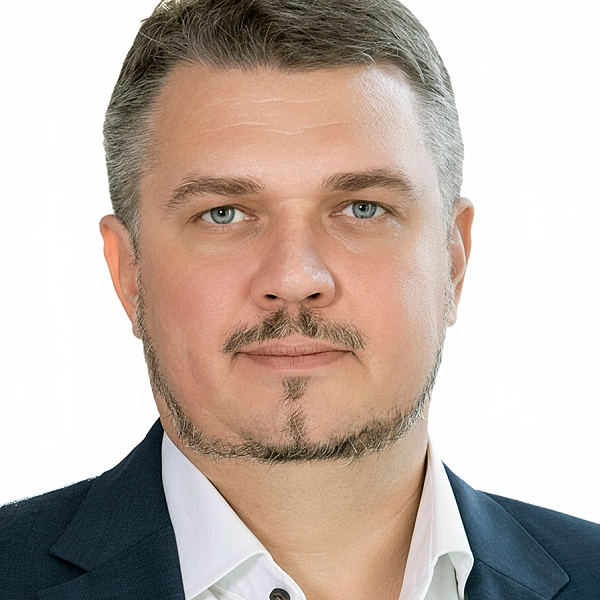
Sergey Vorobyev
Head of Technology - OASE Gas Treatment
BASF SE
Claus Tail Gas Treating: Best Operating Practices
15:30
Refreshment Break
Sponsored by:
16:00
Pilot Review- Utilization of Membranes for Treating Refinery Sour Water
In this discussion, Via Separations will review its piloting results from a membrane-based Sour Water Concentration system at a major US based refinery. The focus will be on the technical learnings and achievements gathered during deployment, along with follow-on laboratory analysis. These learnings provide a basis for integrating membrane technology into future full-scale implementations delivering energy savings and producing ammonium sulfate as a new value stream.
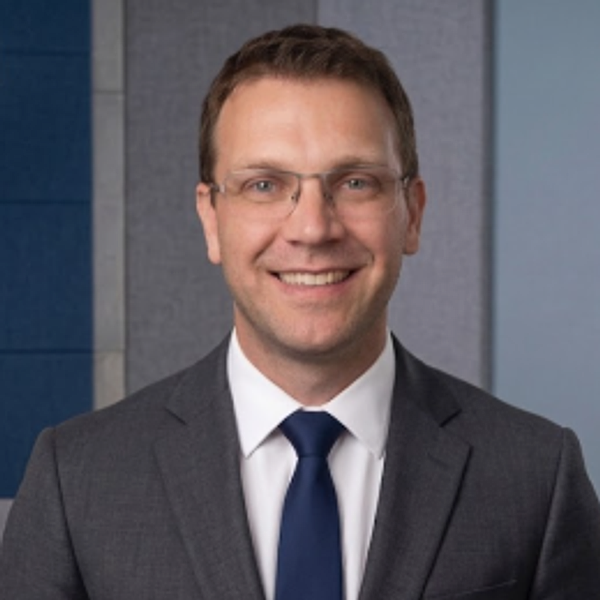
Bryce Mason
Sales Manager
Via Separations
Sulphur Plant Performance
16:30
Reservoir Sulphur Quantification Using Downhole Solvent Injection
Accurately quantifying elemental sulfur in sour gas reservoirs is challenging—conventional sampling often yields false positives as pressure and temperature drop. This presentation introduces a proven solvent-based method that keeps sulfur dissolved from downhole to surface, enabling immediate wellsite analysis. The result: near real-time decision-making, reduced plugging risk, and greater confidence in sulfur quantification throughout flow testing operations.

Francis Bernard
Director of Operations
Alberta Sulphur Research Ltd.
Sulphur Plant Performance
17:00
Pushing the Limits of SRU Revamps High-Level Oxygen Enrichment Enabling 50% Capacity Increase and Ultra-Lean Acid Gas Operation.
Discover how high-level oxygen enrichment is revolutionising SRU revamps. A case study will show how 55% oxygen enrichment increased a plant’s sulphur recovery capacity by 50% (from 150 to 225 TPD) without major modifications. A second case demonstrates how 60% oxygen enrichment enabled stable processing of very lean acid gas (~10 mol% H2S) by raising furnace temperatures above 1250°C, ensuring reliable ammonia destruction.
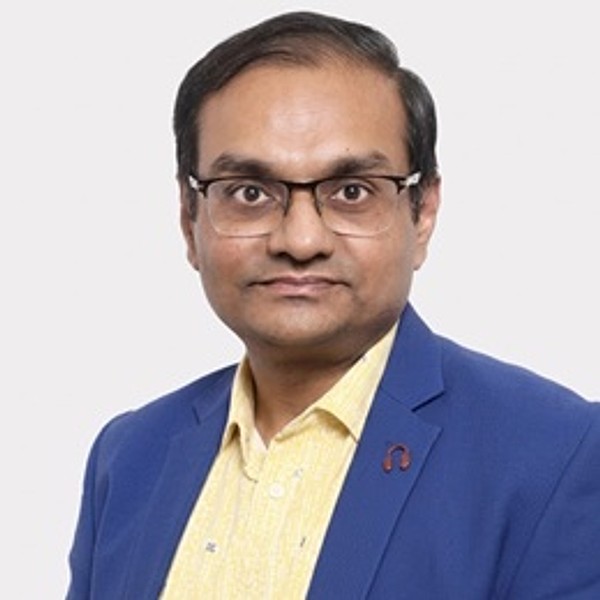
Debopam Chaudhuri
Principal Process Specialist
Fluor
TBC
Sulphur Plant Performance
19:00
Sulphur+Sulphuric Acid Party (19:00-23:00)
Sponsored by:
Location:
Festival Hall
Sulphuric Acid
08:00
Registration and Exhibition open
Registration
Sponsored by:
09:00
Small Modular Plants in a Megaplant-Dominated World.
This presentation makes the case for small modular plants (100–250 MTPD) as a strategic solution for smaller or remote consumers facing logistical and cost challenges. Through a case study of a Brazilian mining company’s 150 MTPD plant, discover how on-site production offers greater flexibility, reduces dependency on external supply chains, and improves overall production efficiency and business autonomy.
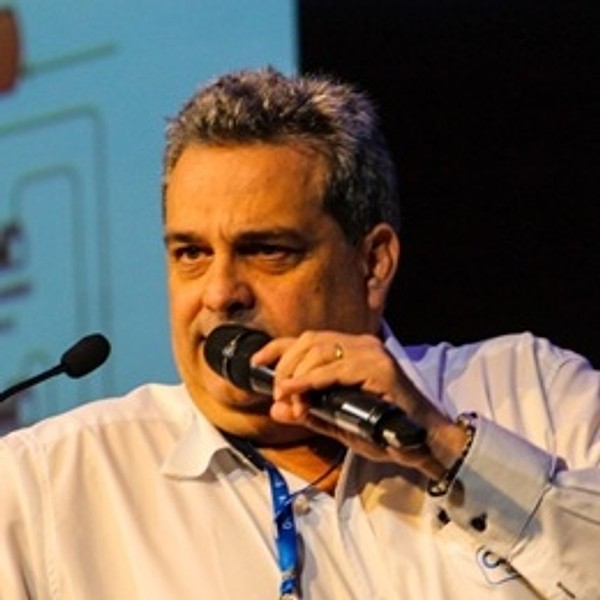
Nelson Clark
Chief Executive Officer
Clark Solutions
Sulphuric Acid Industry: Projects and Innovation
09:30
Anhui Jinxuan’s 1800 MTPD Project - HP Steam Replaces MP Steam in Sulphuric Acid Plant, Reducing Steam Consumption and Increasing Net Power Output.
With the trend toward larger-scale megaton sulfuric acid plants, the selection of steam parameters for waste heat boilers has become central to improving power generation efficiency. Traditional medium-pressure parameters (3.82 MPa, 450°C) result in high specific steam consumption for power generation and are gradually being replaced by sub-high-pressure (6.3 MPa, 450°C) and high-pressure (9.8 MPa, 540°C) configurations. Increasing the steam pressure significantly reduces the turbine’s specific steam consumption, leading to a substantial increase in net power output under the same thermal load.
Shuang Yan
ENGINEER
CERE China Technical Engineering Jiangsu Co., Ltd.
Sulphuric Acid Industry: Projects and Innovation
10:00
I Love IT When A Plan Comes Together - A Lithium Americas Update.
Get an exclusive project update on the first grassroots sulphuric acid plant built in North America in 15 years. This presentation covers the Lithium Americas project, a game-changing facility set to supply the battery market. Hear about the real-world challenges, lessons learned during engineering, and the latest construction progress on this landmark plant, which is projected for startup in late 2027.
Steven Puricelli
VP of Process and Technology
EXP
Sulphuric Acid Industry: Projects and Innovation
10:30
Refreshment Break
Sponsored by:
11:00
Managing a sulfuric acid plant in rural Nevada.

Jacob Carpenter
Senior Mechanical Engineer
Nevada Gold Mines
Operator Spotlight: Metalurgical Acid Plants
11:30
Plant operations, reliability, and debottlenecking. Case Study from WSA Petroperu Plant.
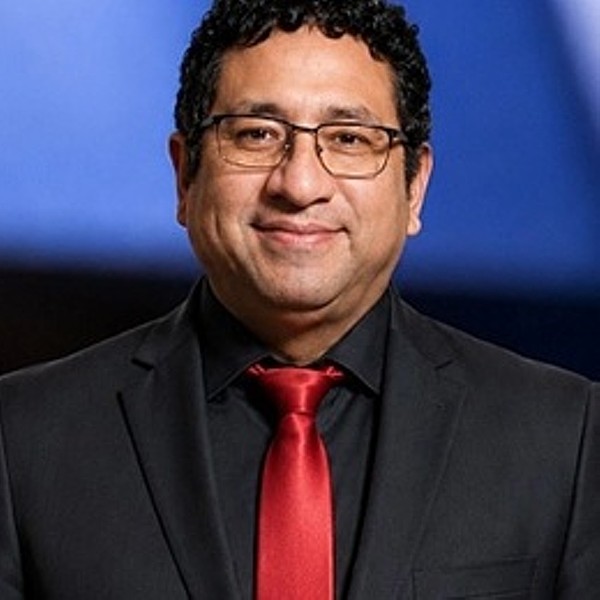
Jose Lama
Project Manager
WSA Petroperu Plant, Veolia
Operator Spotlight: Metalurgical Acid Plants
12:00
Early Detection of a Tube Leak
This Case Study provides an overview of events showing detection of a tube leak in a sulfuric acid plant 72 hours before traditional methodology.
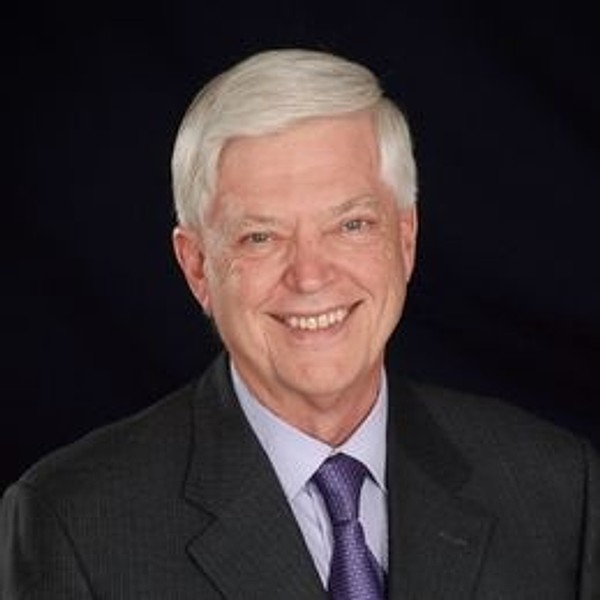
Cal Lockert
Senior Program Director
Ohio Lumex Co., Inc.
Operator Spotlight: Metalurgical Acid Plants
12:30
Networking Lunch
14:00
A new gas cleaning plant upstream of the sulphuric acid plants for secondary copper smelter offgas.
Follow the complete project lifecycle of a new gas cleaning plant at the Aurubis Hamburg Copper Smelter. This case study details the journey from concept to commissioning of a plant designed to treat challenging offgas from a secondary smelter converter. Gain valuable real-world insights into the design choices and operational details required to protect sulphuric acid quality when processing complex recycling materials and internal intermediates.
Dr Hanno Hintze
Director Engineering Technology
Aurubis AG
Operator Spotlight: Metalurgical Acid Plants
14:30
Evaluation and reduction of SO₂ emissions in Acid Plant No.1 at the Ilo Copper Smelter.
Learn how the Ilo Copper Smelter optimised its newly modernised double-absorption acid plant to meet stringent environmental targets. This case study details a multi-faceted approach using process simulation, statistical analysis, and on-site sampling to identify and resolve operational constraints, including SO₂ desorption phenomena. Discover the specific operational adjustments and process modifications that successfully reduced SO₂ emissions to levels below 350 ppmv.

Álvaro Jara
Metalurgista
Southern Peru
Operator Spotlight: Metalurgical Acid Plants
15:00
Operational Insights from DeNOₓ Measurement Campaign and Development of Inline UV–Vis NOₓ Monitoring.
This presentation unveils key findings from a measurement campaign on Metso’s DeNOx module, which demonstrated high conversion of incoming NOx load. It also introduces the development of an inline UV-Vis monitoring system for nitrosyl sulphuric acid. This innovation aims to replace hazardous manual sampling with continuous, real-time data, leading to improved process diagnostics, more stable operation, and better control for regulatory compliance.

Kumar Rajan Gopa
Senior Product Engineer
Metso
Operator Spotlight: Metalurgical Acid Plants
15:30
Refreshment Break
Sponsored by:
16:00
Unlocking new levels of converter performance with cutting-edge catalyst additive manufacturing technologies.
Witness the next evolution in converter performance with BASF’s X3D® catalyst technology. This session explores how additive manufacturing is used to create catalysts with optimised geometries, delivering a substantially increased surface area and a significantly reduced pressure drop. Learn how this cutting-edge approach improves SO2 to SO3 conversion, lowers blower energy consumption, and unlocks new levels of productivity and resource efficiency for your sulphuric acid plant.
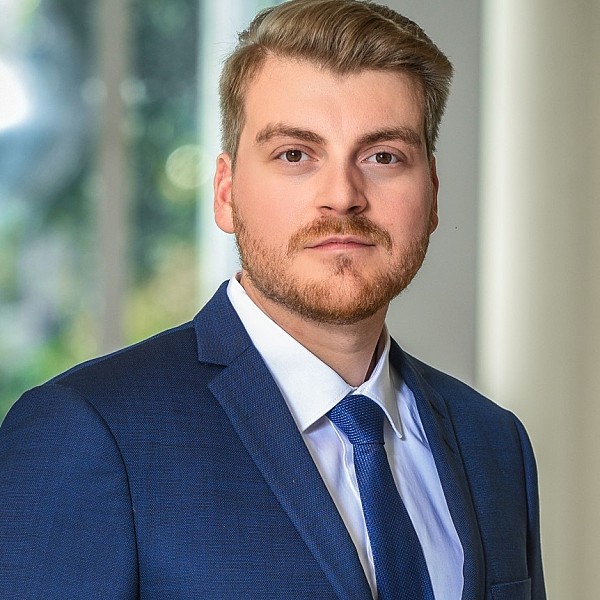
Jochen Willersinn
Technology Manager – Sulfuric Acid Catalysts
BASF SE
Sulphuric Acid Plant Performance: Catalysts and Emissions
16:30
Performance Optimization on Wylton’s Cesium-promoted Catalyst - VCs.
This study uses SEM, MIP, XRF, and other advanced techniques to compare a new cesium-promoted catalyst, VCs-Plus, against a reference catalyst. The VCs-Plus showed a wider pore size distribution and better active component dispersibility. In industrial-scale side-line simulation tests, VCs-Plus achieved a 3.9% higher conversion rate than the reference catalyst at 370°C, demonstrating significantly improved low-temperature activity and superior catalytic performance across the entire reaction temperature range.
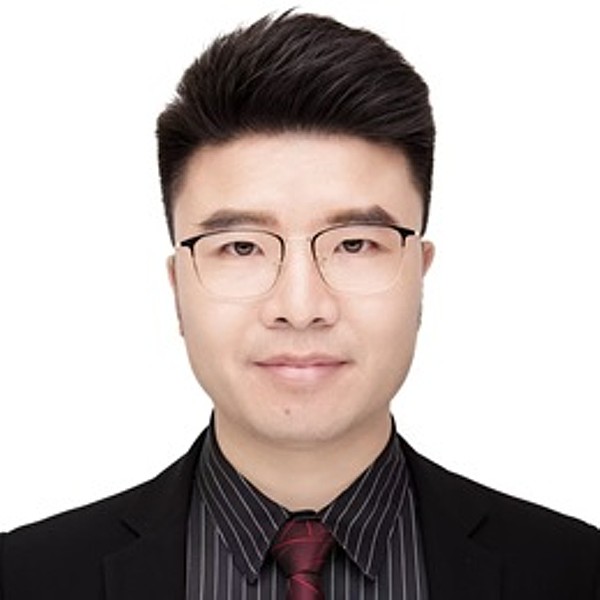
Jae Shi
Overseas Business Manager
Wylton
Sulphuric Acid Plant Performance: Catalysts and Emissions
17:00
A New Catalyst Approach for Lean Gas Conditions
Topsoe introduces a new catalyst specifically engineered to maximise conversion in the lean gas conditions found in the lower passes of a sulphuric acid plant. Building on the performance of VK38+, this bed-specific optimisation can significantly improve overall plant conversion. Industrial data from the first full-scale references will be presented, demonstrating benefits that include halving emissions, reducing scrubber chemical consumption, and increasing plant capacity while maintaining compliance.

Martin Alvarez
Solution Specialist, VK Catalyst
Topsoe A/S
Sulphuric Acid Plant Performance: Catalysts and Emissions
17:30
Beyond the Cesium Ceiling: SulfoMax EV and the Next Frontier in SO₂ Conversion.
The presentation introduces SulfoMax EV, a patented catalyst that redefines the limits of SO2 conversion by operating at a low inlet temperature of 360°C. This creates a larger temperature differential for improved heat recovery and moves the reaction closer to equilibrium. Lab tests show it has 10 times higher activity at 360°C than a high-cesium benchmark, enabling new plant configurations for enhanced energy extraction and lower emissions.
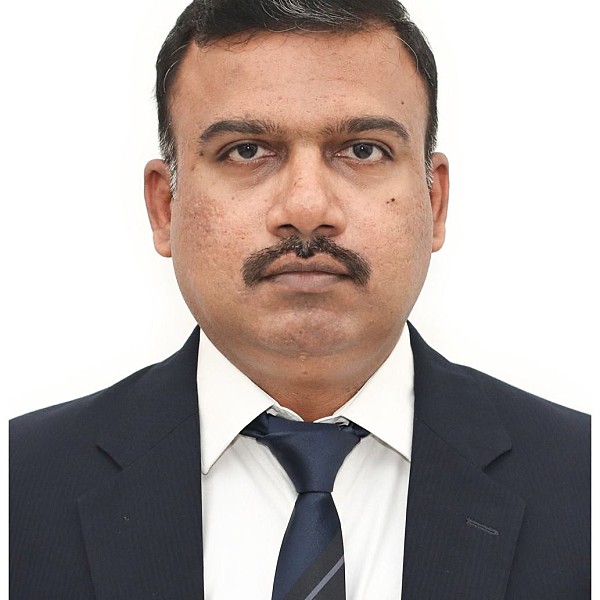
Shanmuga Sundaram
Business Segment Head - BU Catalyst - Sulfuric Acid
Sud Chemie India Pvt Ltd.

Hrsh Shah
Manager - Sales & Technical Services
Sud Chemie India Pvt Ltd.
Sulphuric Acid Plant Performance: Catalysts and Emissions
19:00
Sulphur+Sulphuric Acid Party (19:00-23:00)
Sponsored by:
Location:
Festival Hall
Thursday 5
Sulphur
08:30
Registration and Exhibition open
Registration
Sponsored by:
09:00
Recovering Sulphur from Phosphogypsum.
Novaphos unveils a proprietary process that turns phosphogypsum waste into a valuable resource. The technology recovers over 90% of the sulphur as sulphur oxide gases for sulphuric acid production, while also producing a safe, marketable calcium silicate co-product for construction use. Requiring only phosphogypsum and silica sand, this process eliminates waste disposal, recovers valuable sulphur, and creates a new, sustainable revenue stream.
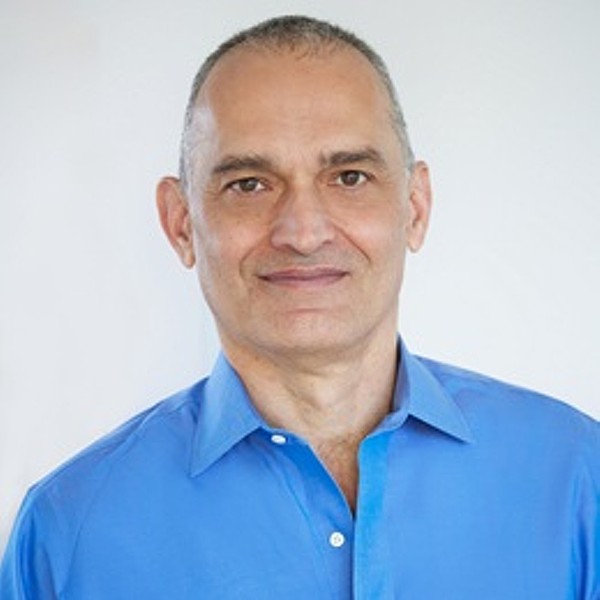
Tim Cotton
Chief Executive Officer
Novaphos
Sulphur Recovery Processes: Alternatives to Conventional Claus
09:30
From Sulphur Liability to Strategic Resource: Capturing Full Value from Sulphur-Containing Off-Gases.
The presentation focuses on treating sulfur-containing off-gases as a strategic resource. Using industrial cases from refinery and metallurgical operations, it shows how Topsoe’s WSA™ technology converts these gases into marketable sulphuric acid and high-pressure steam. This approach shifts the focus from compliance to value creation, reducing operating costs, direct CO2 emissions, and waste handling while generating new revenue and improving long-term economic resilience.

Jenny Hedenblad
Senior Licensing Manager
Topsoe A/S
Sulphur Recovery Processes: Alternatives to Conventional Claus
10:00
OXYSULF Technology - an Alternative to the Conventional SRU Process. Low-Emission Processing of Sulphur and Sulphur-Containing Feed Streams Including Ammonia-Rich Gases.
KVT’s OXYSULF process offers a compelling alternative to conventional SRU technology. It uses a two-stage combustion system to process sulphur-containing streams, including ammonia-rich gases, into high-grade sulphuric acid (up to 98.2 wt.%). The technology ensures reliable ammonia destruction, achieves ultra-low SO2 emissions with no liquid effluents, and produces valuable superheated steam, all with a reduced CO2 footprint and a more compact, robust design.

Mathias Innerkofler
Business Development Manager
kvt technology
Sulphur Recovery Processes: Alternatives to Conventional Claus
10:30
Refreshment Break
Sponsored by:
11:00
From Trials to Routine Operation: Field Data Review of Renewable Co-Processing Impact on Amine, SWS and SRU Performance at VAROPreem Lysekil.
Building on an earlier study, SGS presents multi-year operational data from the VAROPreem Lysekil refinery on co-processing high levels of renewable feedstock. It provides a detailed comparison of observed impacts on the amine, sour water stripping, and sulphur recovery units against initial expectations. The speaker will share practical measures and adjustments implemented to maintain stable, reliable operation as the share of renewable feedstock increased over time.
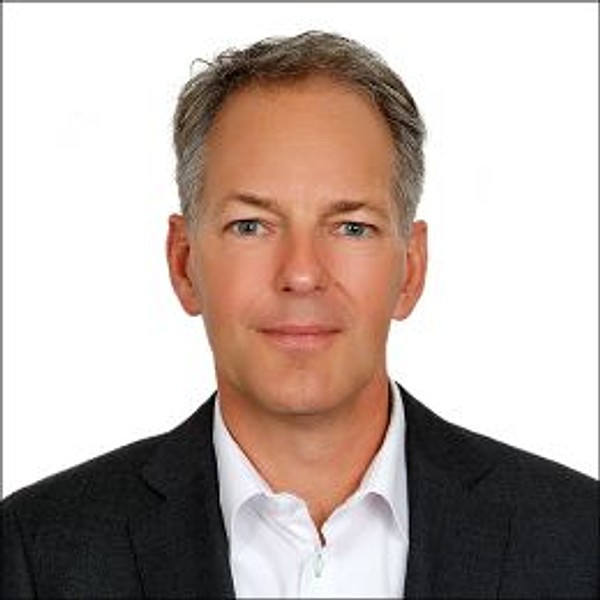
Jan Kiebert
Principal Engineer
SGS Sulphur Experts
Caroline Gustafsson
VAROPreem
Decarbonisation in the Sulphur and Sulphuric Acid Industries
11:30
NX SulphuRec™ New innovative solution to reduce CO₂ emissions.
NextChem introduces SOAP, a selective oxidative autothermal process that is a groundbreaking alternative to Claus-based SRUs. By using catalytic oxy-combustion in a flameless 1060°C operation, SOAP eliminates flue gas emissions, requires no fuel gas, and produces a hydrogen-rich gas by-product. This innovative technology achieves 65% lower CO2 emissions and a smaller land footprint than conventional SRUs, all with lower CAPEX and high sulphur recovery.

Daniela Boni
Sulphur Technology Manager
NextChem Tech S.p.A.
Decarbonisation in the Sulphur and Sulphuric Acid Industries
12:00
Developments in decarbonisation of the Sulphuric Acid Industry
Dimitrios Dimitrakis
Group Lead
Deutsches Zentrum für Luft- und Raumfahrt (DLR)
Decarbonisation in the Sulphur and Sulphuric Acid Industries
12:55
Networking Lunch
14:00
An Improved Refractory Concept Supports a Safe and Long-Lasting Operation of Claus Reaction and Sulphur Furnaces.
This presentation addresses common refractory failures in Claus furnaces, such as cracking around the burner and sagging of the hot-face lining. It presents a new concept using pre-fired, precast special shapes and a redesigned burner wall architecture to combat material shrinkage and improve thermal shock resistance. Field installations have successfully extended burner wall lining life from just 1-2 years to 3-5 years, drastically reducing outages and maintenance costs.
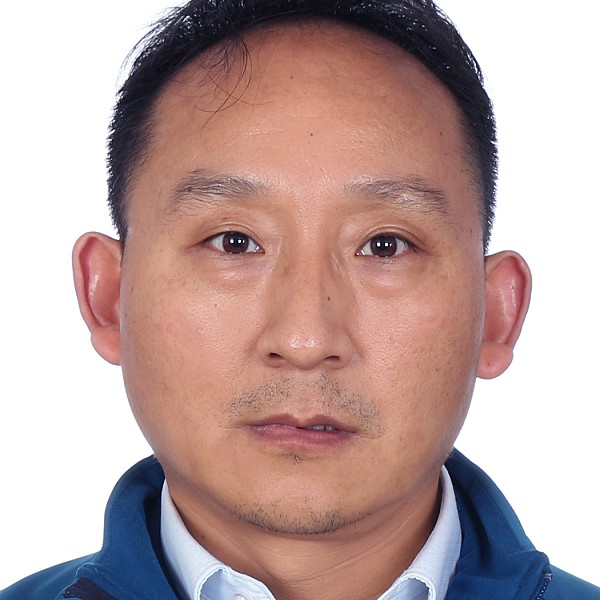
Xiaowei Huang
Business Development Expert EEC
RHI Magnesita
Inside the Sulphur Plant: Operations and Best Practices
14:30
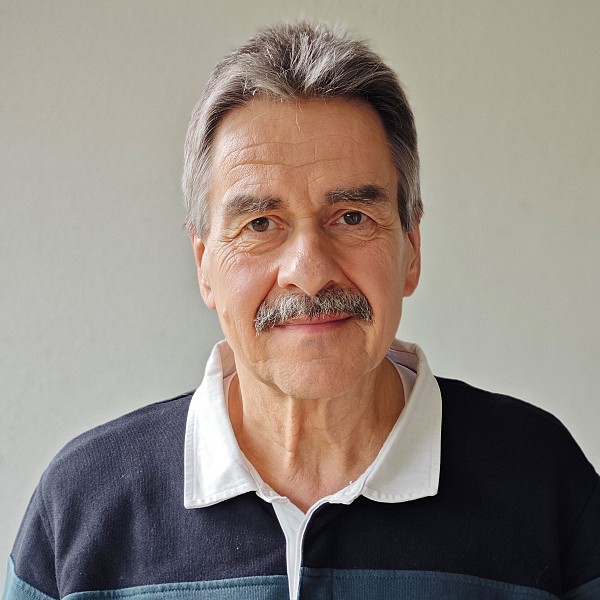
Sulphur Plant Control Innovations – Facts and Basics.
AMETEK provides a technical deep dive into sulphur recovery plant control strategies, comparing classic 2:1 ratio control, off-ratio operation, and feedback vs. feed-forward control. The presentation examines the hardware and concepts that drive performance, including trim air, advanced burner control, and the use of double air demand analyzers. Gain clarity on best practices and implementation strategies to significantly improve process efficiency and day-to-day reliability.
Jochen Geiger
Instrumentation Expert
Jg-consultant (AMETEK Process Instruments)
Inside the Sulphur Plant: Operations and Best Practices
15:00
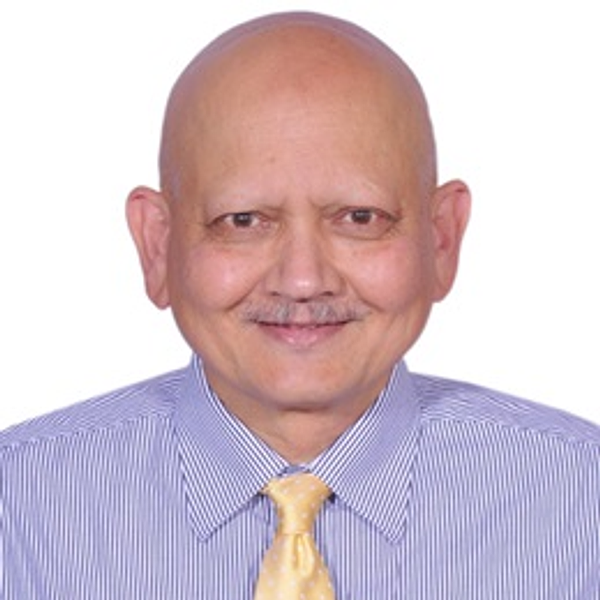
Improving Performance and Reliability of the SRU Reaction Furnace and Incinerator.
The presentation details how internals like the Blasch VectorWall fundamentally improve the “3Ts” of combustion (time, temperature, turbulence) in SRU thermal reactors and incinerators. By creating a tighter residence time distribution and higher front-zone temperatures, this technology enhances NH3 and BTEX destruction, protects tubesheets, reduces co-firing and CO2 emissions, and offers significant debottlenecking potential. The speaker will focus on incinerator deployment, supported by field data.
Uday Parekh
Senior Global Director – Energy & Chemicals
Blasch Precision Ceramics
Inside the Sulphur Plant: Operations and Best Practices
Sulphuric Acid
08:30
Registration and Exhibition open
Registration
Sponsored by:
09:00
Creep Based Service Life Assessment for Converter Components using FEA.
Predicting Service Life: Creep Assessment for Converter Components In sulphuric acid converters operating at 400–650°C, creep is a primary failure mechanism. This paper details how to perform a creep-based service life assessment using advanced methods like API 579 Omega creep-specific finite element analysis (FEA). By evaluating a component in the hottest converter zone, the analysis estimates time to rupture and theoretical service life, accounting for startups, shutdowns, and temperature variations to prevent premature failure.
Robert Crane
Mechanical Engineer
NORAM Engineering and Constructors Ltd
Sulphuric Acid Plant: Asset Integrity, Materials of Construction and Maintenance
09:30
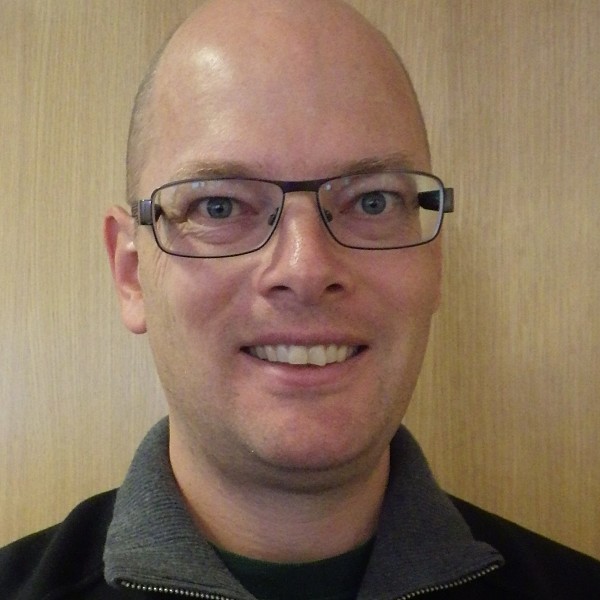
SAF 3006 (UNS S83071) - A New Super Duplex Stainless Steel for Low and High Concentration Sulphuric Acid Heat Exchangers.
Learn how this cost-effective alloy outperforms competitors like Sanicro 28, offering enhanced reliability and a robust solution for applications involving high-chloride cooling water, including seawater.The Super Duplex Solution for Sulphuric Acid Explore SAF 3006 (UNS S83071), a new super duplex stainless steel engineered for superior performance in sulphuric acid heat exchangers. With a high PREN of 46, it provides exceptional resistance to general and localised corrosion in both high (≥98%) and low (<30%) acid concentrations.
Jonas Höwing
Technical Marketing Specialist
Alleima
Sulphuric Acid Plant: Asset Integrity, Materials of Construction and Maintenance
10:00
Performing Complex Acid-Resistant Repairs on Brick-Lined Units, Preferably Externally with only Partial Internal Access.
This presentation details advanced methods for repairing brick-lined units from the outside with only partial internal access, a critical capability for minimizing downtime. It covers the use of acid-resistant lined prefabricated parts, such as nozzles, to address common failure points caused by incorrect material selection or installation. This approach reduces shutdown time, lowers costs, and limits personnel exposure to hazardous conditions during complex repairs.
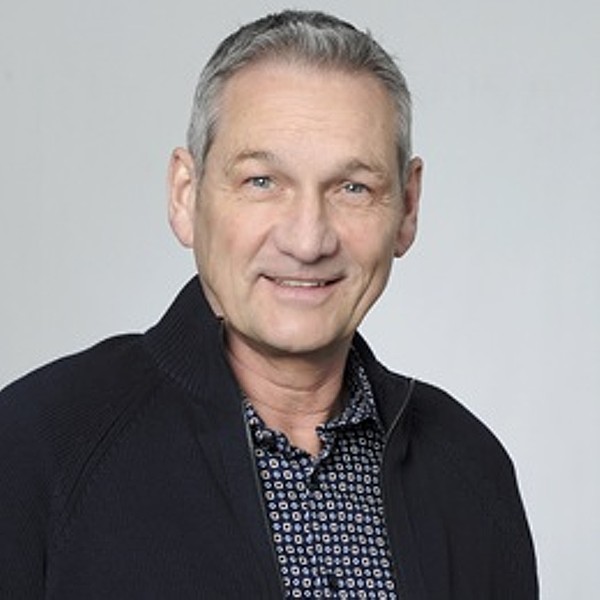
Roland Günther
Project Manager - Export Sales
STEULER-KCH GmbH
Sulphuric Acid Plant: Asset Integrity, Materials of Construction and Maintenance
10:30
Refreshment Break
Sponsored by:
11:00
Energy Efficiency Optimisation of Main Blowers in Sulphuric Acid Plants: Considerations for Greenfield and Brownfield Plants.
The main blower train drives about 70% of a sulphuric acid plant's electrical demand, making it a prime target for optimization. This paper covers the core principles of energy savings for both greenfield and brownfield plants, including equipment selection, control philosophies (e.g., variable frequency drives), and aerodynamic considerations. Learn how OEM technology and expertise can unlock major savings and even increase plant capacity through targeted modernisation.
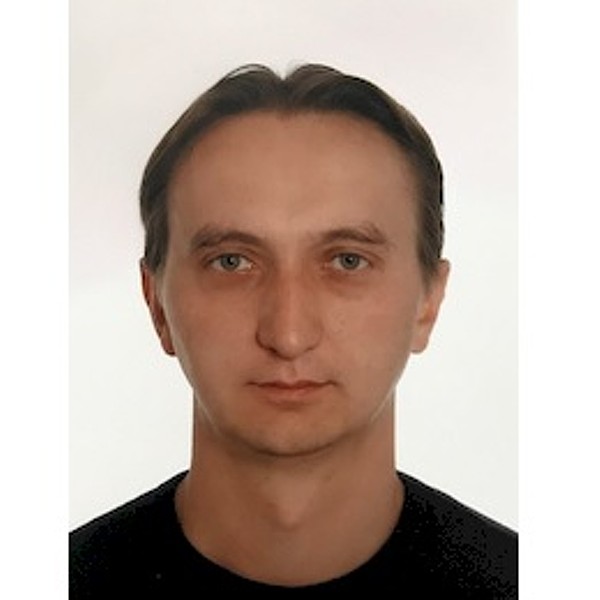
Wolfhard Kiefer
Sales & Proposal Manager
Howden Turbo GmbH
Sulphuric Acid Regeneration and Plant Equipment
11:25
Beyond Air: Oxygen in Sulphuric Acid Regeneration Plants
The presentation will investigate the impacts of using oxygen has on the fuel consumption, plant power use, and equipment sizing, along with the range of feeds that can be processed. Case studies for plants that Chemetics has provided new and has retrofitted existing technology for various levels of oxygen enrichment will be included. Worley Chemetics

Jesse Huebsch
Acid Technology Manager
Worley Chemetics

Laura Nalos
Process Engineer
Worley Chemetics
Sulphuric Acid Regeneration and Plant Equipment
11:50
Energy Efficiency and Enhancing productivity at Petrokimia Gresik's Sulphuric Acid Plant Through Innovative Redesign of Jug Damper, Economiser and the Application of Dry Ice Cleaning Methods.
Learn about an impressive operational turnaround that pushed a plant beyond its original design capacity. This presentation showcases how Petrokimia Gresik overcame critical equipment failures by implementing an innovative redesign of its jug damper and economizer, coupled with effective dry ice cleaning methods. These improvements not only solved reliability issues but successfully increased sulphuric acid production from 1850 to 2000 MTPD, enhancing both productivity and energy efficiency.

Galih Yudhaprawira
Operation Engineer
PT Petrokimia Gresik

Jawad Farisi
Operation Manager
PT Petrokimia Gresik
Sulphuric Acid Regeneration and Plant Equipment
12:15
Project Highlights of the Replacement of a Spent Acid Furnace.
This presentation outlines the complex replacement of a 40-year-old spent acid furnace system with a new vertical static furnace that uses ambient air instead of oxygen-intensive kilns. The new system combusts over 20 waste streams at 1,050°C. The session highlights the engineering, advanced burner technology, and CFD simulations used to improve efficiency and flexibility while maintaining plant availability during the critical modernisation project.

Florian Kistl
Head of Sales
CS Combustion Solutions GmbH
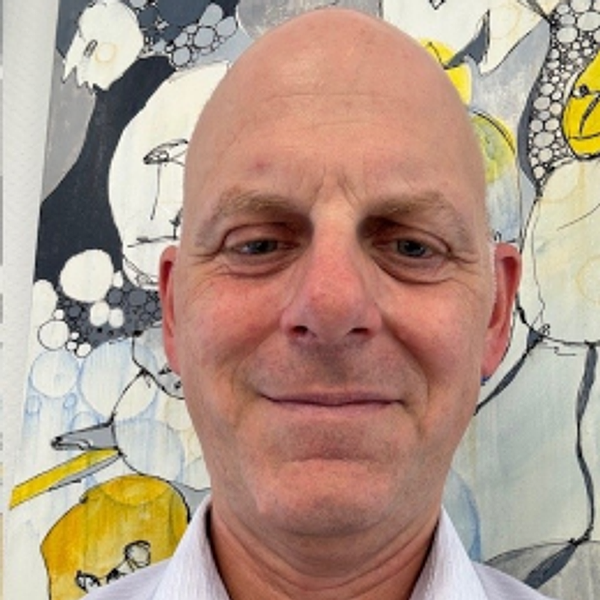
Martin Kürten
Head of Project Management
Grillo Chemicals GmbH
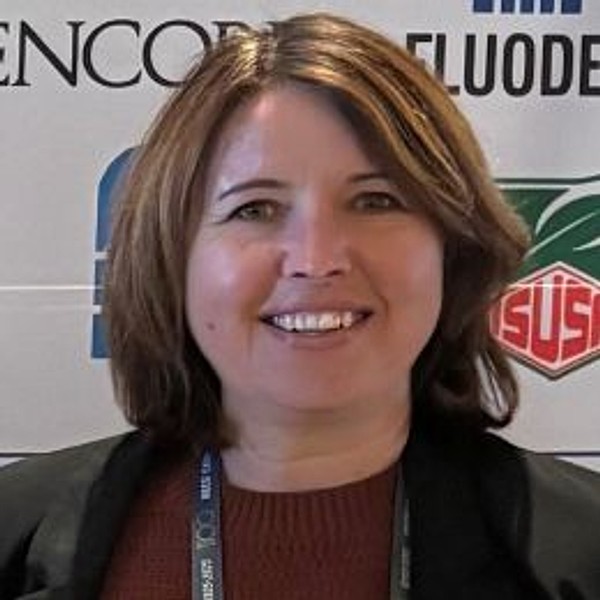
Irina Pfeifer
Managing Director
HUGO PETERSEN GmbH
Sulphuric Acid Regeneration and Plant Equipment
12:55
Networking Lunch
14:00
The LUREC® journey – Innovation driven by an industry challenge.
Metso’s LUREC® technology was developed to handle strong smelter off-gases from high-oxygen-enrichment processes like flash smelting. This paper traces its journey from the first industrial implementation in a 3+2 integrated converter design to subsequent developments like pre-absorber integration and blower improvements. Discover the future of LUREC®, with new adaptations for different smelting configurations, debottlenecking projects, and smaller plant capacities.

Stefan Mohsler
Product Manager
Metso
Sulphuric Acid Plant Design: Innovative Equipment, Plant Performance and Waste Heat Recovery
14:30
Optimising Atomisation for Sulphur and Decomposition Furnace Injector Lances in a Field Test.
Short service life of injector lances is a costly problem. This presentation details a field trial of tailor-made injector lances for molten sulphur and decomposition furnaces. A steam-atomizing nozzle for molten sulphur and a specialised spent acid injector were designed to optimise droplet size and turndown range. The goal is to validate significant improvements in service life, combustion efficiency, and maintenance costs, paving the way for full plant conversion.
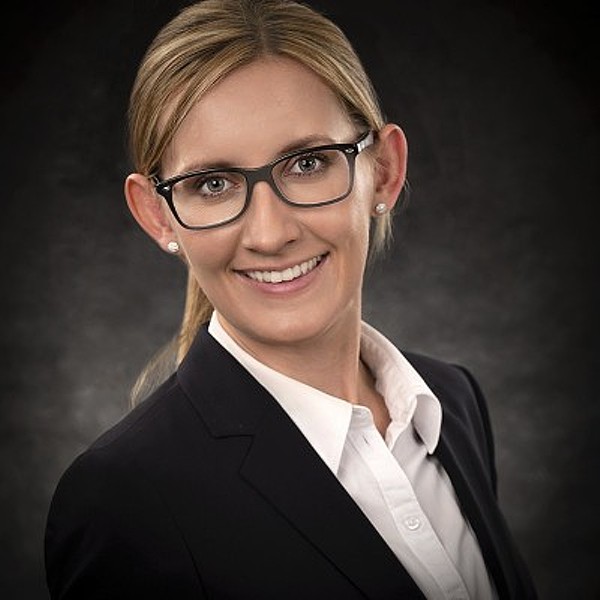
Ellen Stotz
Process Technology Distribution
Lechler GmbH
Sulphuric Acid Plant Design: Innovative Equipment, Plant Performance and Waste Heat Recovery
15:00
From Emissions Monitoring To Asset Reliability: Enhancing Sulphuric Acid Plant Performance through Operational Insight.
The presentation reframes fugitive emissions and thermal anomalies not just as environmental issues, but as critical early warnings of equipment degradation. It highlights the limitations of conventional inspections and showcases how optical gas imaging and AI-assisted monitoring provide real-time visibility of leaks and abnormal thermal behaviour. By correlating emissions patterns with asset condition, operators can move toward a predictive, reliability-focused maintenance strategy.

Edmundo Bardales
SO2 Business Developer and Engineer
SENSIA
Sulphuric Acid Plant Design: Innovative Equipment, Plant Performance and Waste Heat Recovery